Virginia Beach Massage & Wellness Blog by O So Relaxed
Virginia Beach Massage & Wellness Blog by O So Relaxed. Learn how Massage Therapy, Stretch, Reiki and nervous system care reduce pain, stress and insomnia so you can feel better in your body.
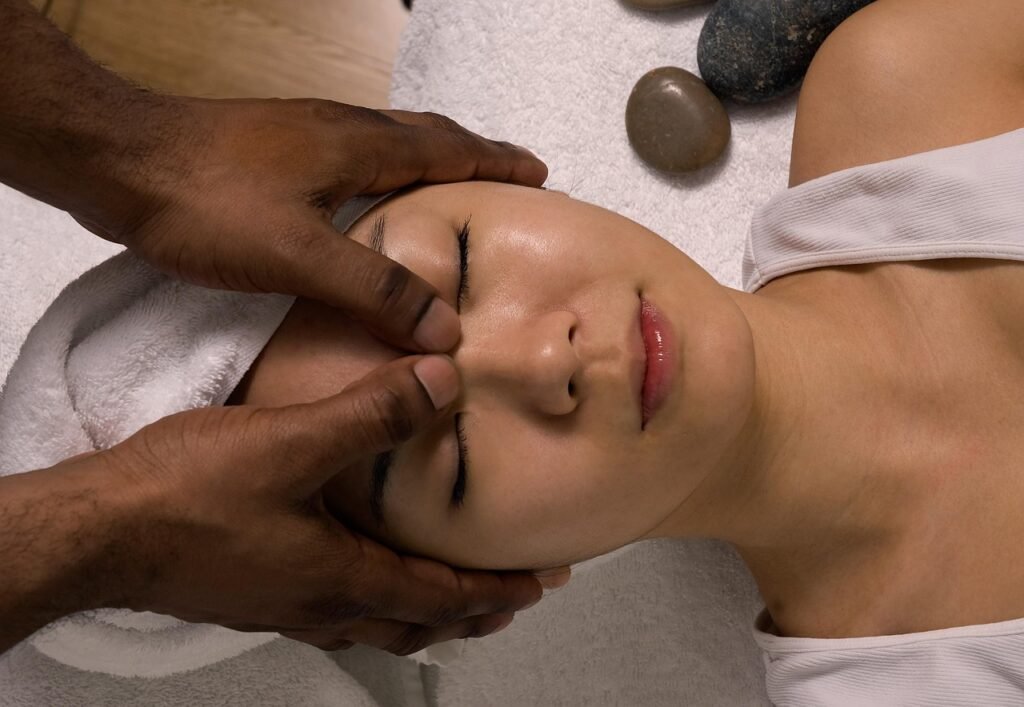
Can Massage Therapy Really Improve Sleep Quality?
Many of my clients ask, “Can massage therapy actually help me sleep better, or will I just feel relaxed for a few hours?” Science and what I see in my massage room; both say yes.
Researchers have found that massage therapy can improve self‑reported sleep quality and increase longer, more continuous sleep episodes in different groups, including people with chronic pain, cancer survivors, and postmenopausal women. Professional organizations now state that massage can help improve sleep by reducing pain, stress, and anxiety; three of the biggest sleep killers.

Case Example From My Practice: Legs, Hips, And Restless Nights
In my own work, the biggest change I see often starts with the legs and hips.
One client came in describing “fighting the bed all night” tight calves, hip pain, and a low back that woke them up multiple times. This matches what research shows: chronic pain and muscle tension are major disruptors of sleep. Over several sessions, I used a combination of Swedish massage to calm the nervous system, deep tissue for stubborn hip and low‑back tension, lymphatic work to ease heaviness in the legs, and gentle stretching.
But the real shift happened when we combined the hands‑on work with a simple sleep‑posture change: I taught them to sleep on their side with a pillow between their knees, supporting the entire lower leg from knee to foot. Evidence‑based sleep resources explain that a pillow between the knees helps keep the spine and hips in neutral, reduces pressure on the hips and knees, and can ease back pain; especially for side sleepers.
Within a short time, they reported fewer position changes at night and less waking from pain. That lived experience mirrors what the studies show: massage plus better alignment can translate into more comfortable, restorative sleep.
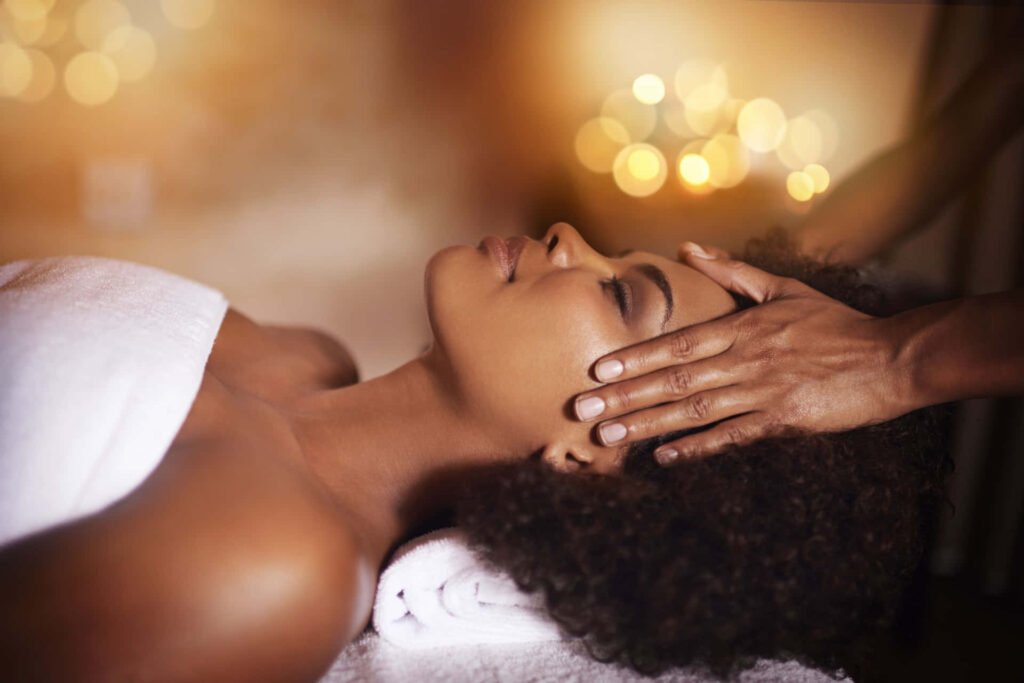
What The Research Says About Massage And Sleep
Several randomized controlled trials have looked at massage and sleep:
• A systematic review of massage trials found significant improvements in sleep questionnaires and an increase in long sleep episodes at night compared to control groups.
• Studies on Swedish massage (for example, weekly 90‑minute sessions for several weeks) showed better scores for sleep duration, sleep latency, and fewer disturbances, even one month after the intervention.
• Clinical reports in hospital settings show that back massage and foot massage can improve subjective sleep quality and reduce anxiety.
Across these studies, the pattern is clear: when pain and tension decrease and the nervous system is calmer, people fall asleep faster and stay asleep longer.

Why A Wind‑Down Routine Makes Massage Work Better
Research on sleep hygiene and wind‑down routines shows that the hour before bed is critical for signaling the brain and body to slow down. Experts recommend starting to wind down 30–120 minutes before sleep with calmer activities, darker lighting, and less screen time, which can reduce the time it takes to fall asleep and improve overall sleep quality.
This is where your routine and mine overlap:
• Massage reduces pain, muscle tension, and stress, making your body capable of resting.
• A consistent wind‑down routine (soft music, gentle stretching, screens off, intentional breathing) tells your nervous system, “We are done for today; it’s safe to rest now.”
Clients who pair their massage sessions with even a simple 5–10 minute nightly ritual tend to hold their results longer and notice more consistent improvements in sleep, not just one “good night” after their appointment.